
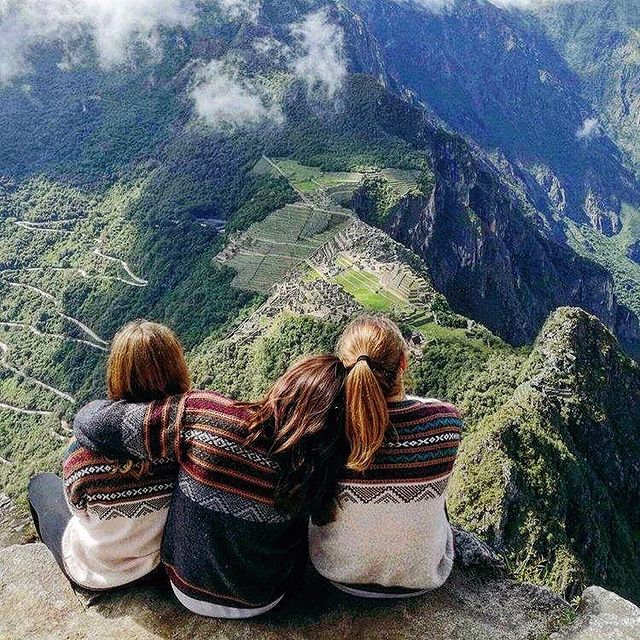
Altitude sickness—also called acute mountain sickness (AMS), soroche, or mountain sickness—can happen when your body has not had enough time to adjust to high altitude. Cusco sits at about 11,000 feet (3,350 meters), so travelers arriving from low elevations may develop symptoms, especially after a rapid ascent. C
At higher elevations, lower air pressure means less oxygen is available with each breath. People respond differently, and being fit does not guarantee protection from altitude sickness.
Common Altitude Sickness Symptoms
Symptoms of acute mountain sickness usually include a headache along with one or more of the following:
- Fatigue or weakness
- Dizziness
- Loss of appetite
- Nausea or vomiting
- Trouble sleeping
Symptoms can begin several hours after arrival. Do not continue ascending while you have symptoms. Rest and monitor how you feel. If symptoms worsen while you are resting, descend to a lower elevation and seek medical care.
Warning Signs of Severe Altitude Illness
Altitude sickness can develop into high-altitude cerebral edema (HACE) or high-altitude pulmonary edema (HAPE), both of which require urgent medical attention.
Seek emergency help and move to a lower elevation if possible if someone develops:
- Confusion, unusual drowsiness, or difficulty walking straight
- Shortness of breath at rest
- A worsening cough, chest congestion, or severe weakness
Do not wait to see if these symptoms pass on their own. HACE and HAPE can become life-threatening; prompt descent and medical care are essential.
How to Prevent Altitude Sickness in Cusco
The first day in Cusco is a good time to rest and acclimatize. Keep activity light, avoid strenuous exercise, and skip alcohol during the first 48 hours at high altitude. Drink fluids normally, eat light meals if that feels more comfortable, and give your body time to adjust. These steps can support a more comfortable arrival, but they cannot guarantee that you will avoid altitude sickness.
If your itinerary allows, ascend gradually and spend time at an intermediate elevation before going higher. When gradual ascent is not possible, talk with a healthcare professional before your trip about your personal risk and whether preventive medication is appropriate. This is especially important if you have a heart or lung condition, a history of severe altitude illness, or other significant health concerns.
Does Coca Tea Help With Altitude Sickness?
Coca tea is commonly offered to visitors in Cusco, and you may choose to drink it as a local beverage. However, the CDC says there is no strong evidence that coca leaf prevents or treats altitude illness. Coca leaf use may also cause a positive drug test for cocaine metabolites. Do not rely on coca tea or coca candy to prevent or treat AMS.
Acetazolamide (Diamox): Ask a Doctor Before Your Trip
Acetazolamide, also known by the brand name Diamox, is a prescription medication that can help prevent altitude sickness and speed acclimatization for some travelers. It is not appropriate for everyone, and whether to use it depends on your health history and travel plans. Ask a healthcare professional before your trip; do not self-prescribe or assume it will make a rapid ascent risk-free.
If you develop mild symptoms, stop ascending and rest. If symptoms worsen, or if you notice confusion, poor coordination, or breathing difficulty at rest, seek urgent medical care and descend to a lower elevation if possible.
This article is for general travel information and does not replace advice from a healthcare professional.


Comment (0)