
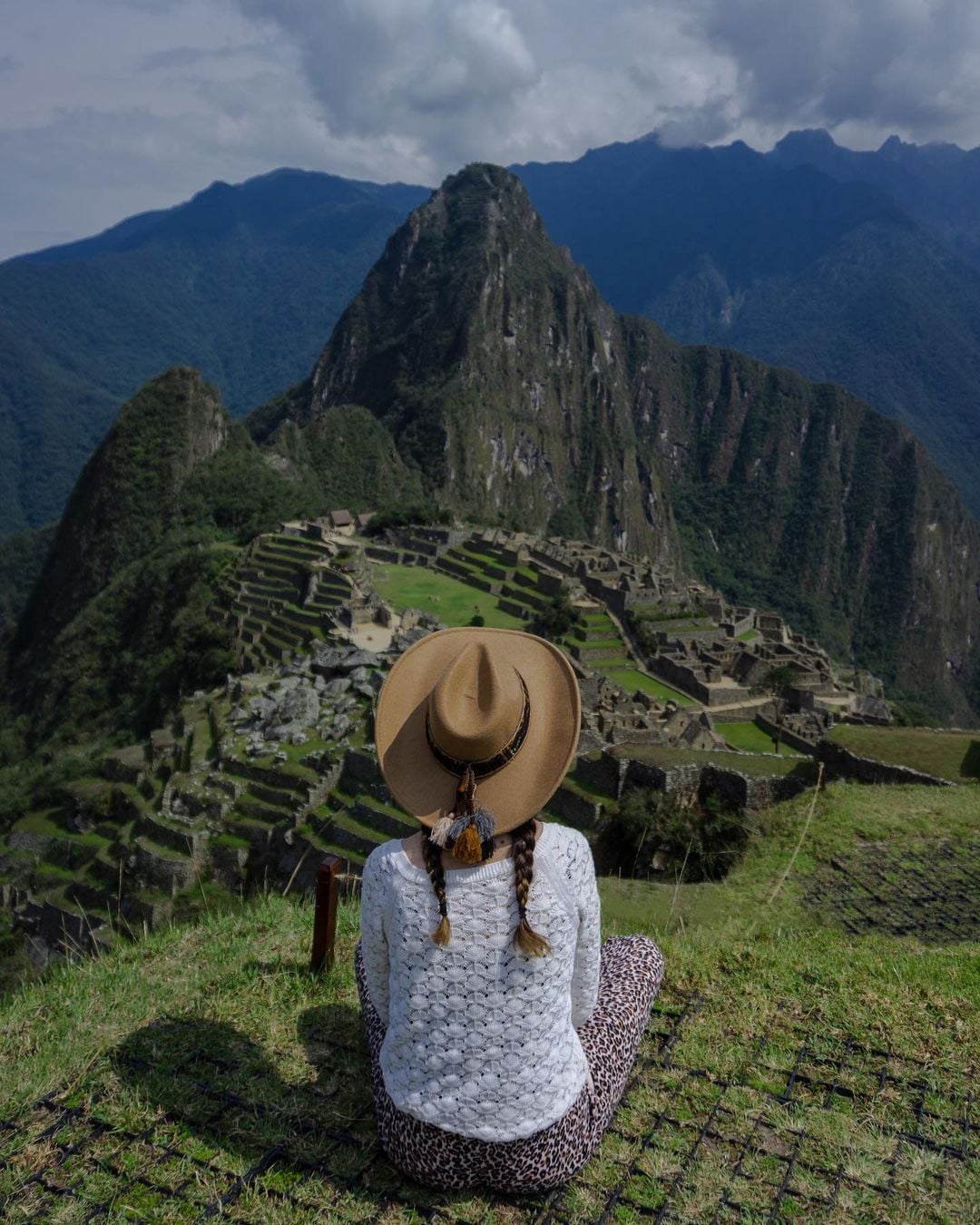
Machu Picchu’s current visitor system has three circuits and 10 routes. The circuits have different purposes: Circuit 1 focuses on panoramic views, Circuit 2 combines a classic viewpoint with a route through the Inca city, and Circuit 3 explores the lower area and royal sector. When booking, choose a specific circuit and route—a ticket for one route does not grant access to every area of Machu Picchu.
Machu Picchu Circuit 1: Panoramic Circuit
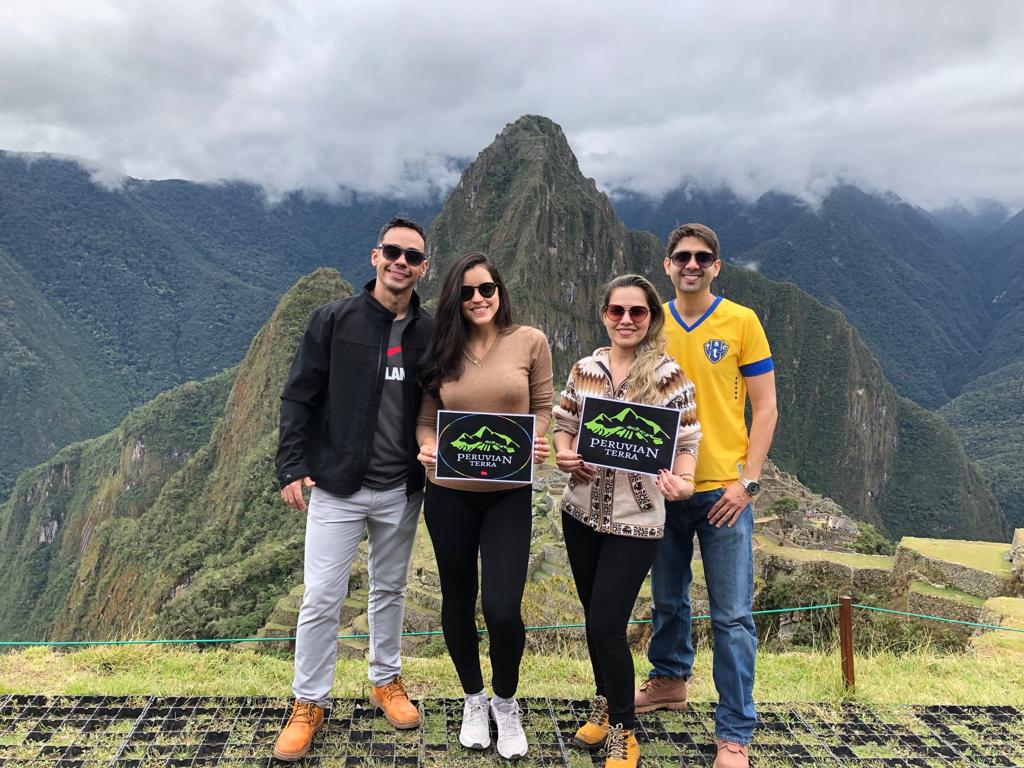
Circuit 1, also known as the Panoramic Circuit, takes visitors to the upper area of Machu Picchu for elevated views of the Inca city and surrounding landscape. It includes the upper agricultural terraces and viewpoints, but does not enter the urban sector. Choose this circ
uit if your priority is the panoramic view and classic photo location.
Circuit 1 has four routes:
- Route 1-A: Machu Picchu Mountain Route — combines the panoramic circuit with the hike to Machu Picchu Mountain.
- Route 1-B: Upper Terrace Route — visits the upper terrace area.
- Route 1-C: Intipunku Gate Route — continues to the Sun Gate; available during high season.
- Route 1-D: Inca Bridge Route — continues to the Inca Bridge; available during high season.
The official map for Route 1-B lists a maximum stay of 2 hours and 30 minutes. Time limits can differ by route, especially on routes that include a mountain hike. Check the details shown for your selected ticket.
Machu Picchu Circuit 2: Classic Inca City Circuit
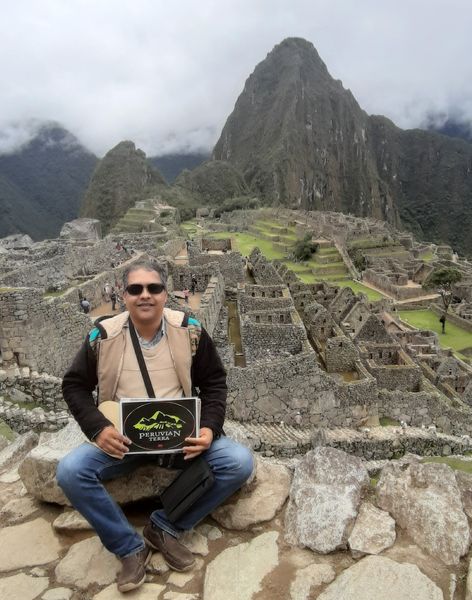
Circuit 2, also called the Classic Machu Picchu Circuit, is a popular choice for visitors who want both a panoramic viewpoint and a route through the main urban area. Depending on the route, visitors can see sites such as the Granite Chaos, Temple of the Sun viewpoint, Temple Plaza, Intihuatana Pyramid, Sacred Rock, Eastern Storehouses, and Water Mirrors complex.
Circuit 2 has two routes:
- Route 2-A: Designed Route — follows the designated classic route through the Inca city.
- Route 2-B: Lower Terrace Route — includes the lower terrace, a popular spot for the classic Machu Picchu photo.
The official map for Route 2-A lists a maximum stay of 2 hours and 30 minutes. Circuit 2 is a good option if you want to see more of the central archaeological area while still getting a broad view of the citadel.
Machu Picchu Circuit 3: Royalty Circuit
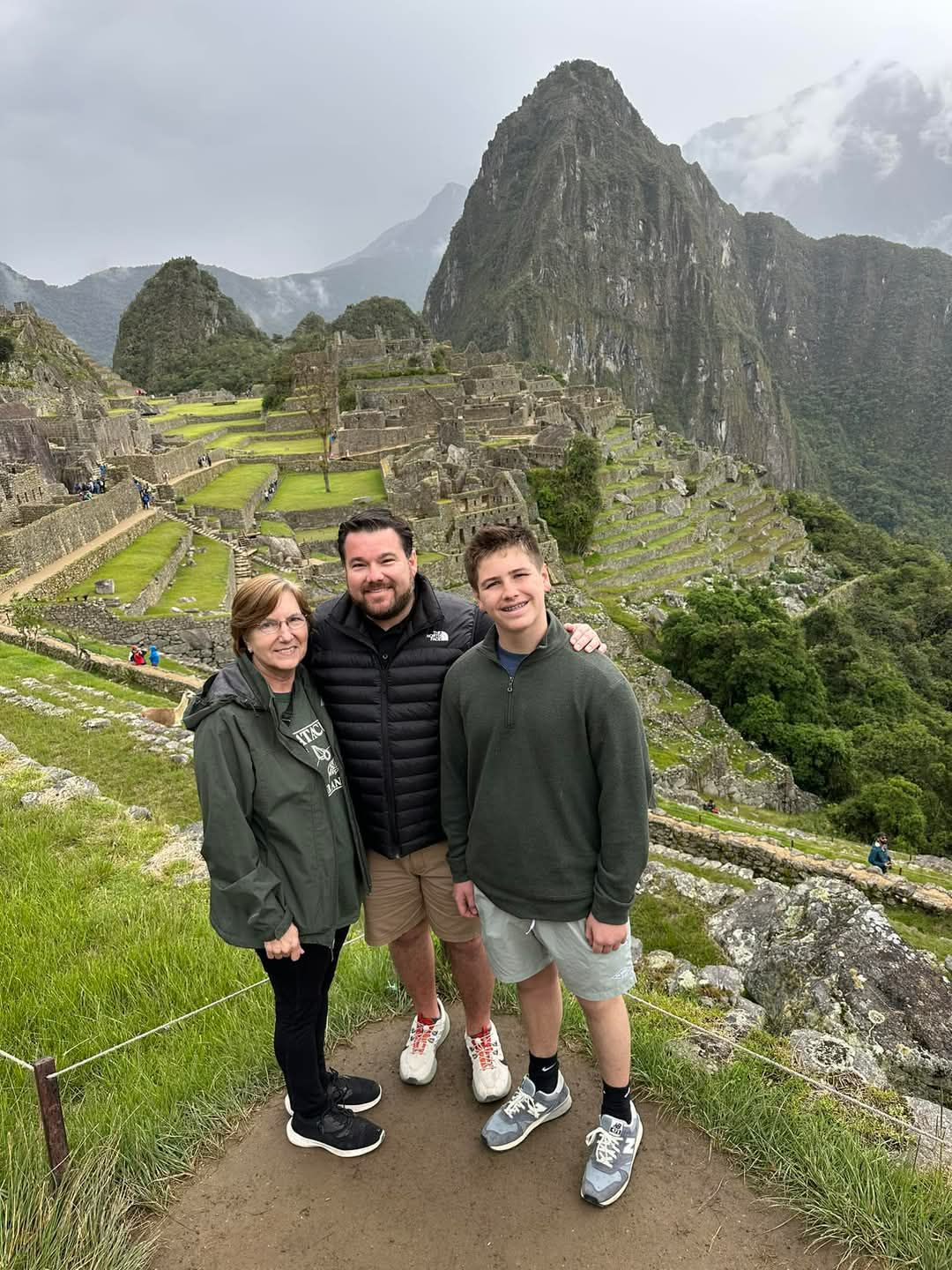
Circuit 3, known as the Royalty Circuit, explores the lower part of Machu Picchu and areas associated with the Inca elite. Depending on the route, highlights may include the agricultural terraces, Temple of the Sun, House of the Inca, Ceremonial Fountains, Three Doorways, Sacred Rock, and Temple of the Condor. Circuit 3 does not include the upper Guardian’s House viewpoint used for the classic panoramic photo.
Circuit 3 has four routes:
- Route 3-A: Huayna Picchu Mountain Route — combines a visit to the lower area with the Huayna Picchu hike.
- Route 3-B: Designed Route — visits the designated lower circuit.
- Route 3-C: Great Cavern Route — includes the Great Cavern; available during high season.
- Route 3-D: Huchuy Picchu Route — includes the Huchuy Picchu hike; available during high season.
The official map for Route 3-B lists a maximum stay of 2 hours and 30 minutes. Mountain and cave routes have different demands and schedules, so review the route details and requirements before booking.
Which Machu Picchu Circuit Is Best?
- Choose Circuit 1 for elevated views and the classic panoramic photo.
- Choose Circuit 2 for a combination of viewpoint and access to the main urban area.
- Choose Circuit 3 to explore the lower sector or add a Huayna Picchu, Huchuy Picchu, or Great Cavern route.
For many first-time visitors who want to see the main archaeological area, Circuit 2 is the most comprehensive fit. If the postcard-style view is your main goal, consider Circuit 1. If you want the lower sector or a mountain hike, compare the routes available under Circuit 3.


Comment (0)